


Does Your Ceiling Hang Low?
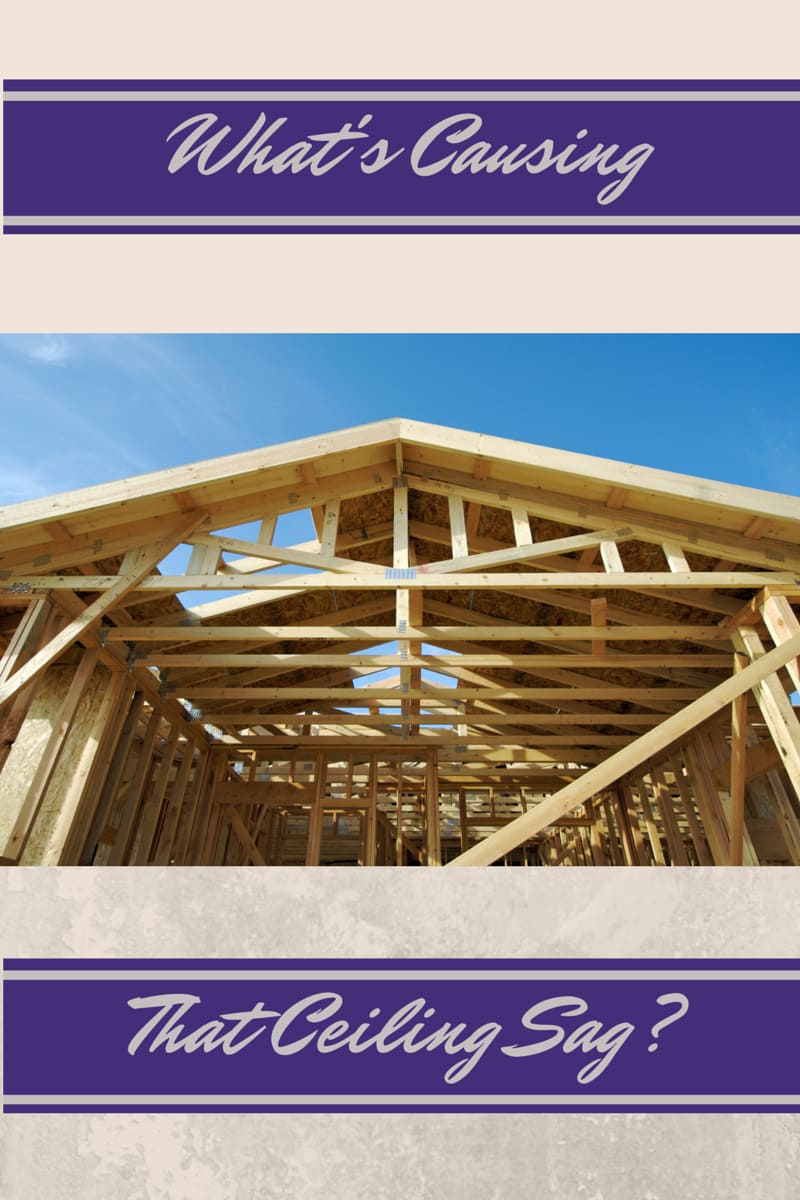 We all know very well by now that gravity tends to take its toll on certain things as they age. Whether we’re talking about sagging skin, clothing that no longer retains its elasticity, or even old wooden shelves that have seen their share of long years, it’s inevitable that you’ll begin to notice many things start to droop as they age. One thing that should not be affected by gravity over time, however, is your ceiling.
If you’ve noticed a droop (or droops) in your ceilings in any area of your home, it’s a sure sign that there’s an issue requiring your immediate attention. The following are two of the most common causes for ceiling sag, as reported by the experts on drywall repair in Orlando:
- Improper drywall installation: Sagging ceiling drywall between joists is also known as pillowing, as it creates pillow-like lumps between each support structure. When this occurs, it generally indicates that your home’s construction team probably used ½ inch drywall when they should have used ⅝ inch drywall. The lack of necessary support causes the drywall to buckle under the weight of the insulation in your ceilings, leaving you with a lumpy, unattractive ceiling. Unless you’re directly overseeing your home’s construction, there’s generally no way to prevent this issue from happening in the case of improper installation, but it does require quick action to prevent the drywall from buckling and falling.
- Water damage: Water can really take its toll on many different areas of your home. If you notice sagging in a single, large area of your ceiling, usually accompanied by some discoloration and staining, there’s a good chance you’ve got some water pooling above your drywall. This could be caused by storm damage, or it could indicate that you’ve had a pipe burst. If you notice this, be sure to contact a plumbing expert to help fix the issue.
Dealing with ceiling sag is no job for an amateur. In many cases, the buckling of your ceiling’s drywall could cause unsafe conditions and require the replacement of large areas of sheetrock. If you notice any instances of ceiling sag, be sure to get in touch with a drywall repair team in Orlando who can take care of the issue quickly without causing any further damage to your home. To learn more about what New Ceilings can do for you, give us a call at (407) 378-6040 today.